Designing Minds
with Dr. Asi Kuperman, Dr. Michal Levi, Dr. Gonen Rave, Dr. Osnat Dagan
R&D
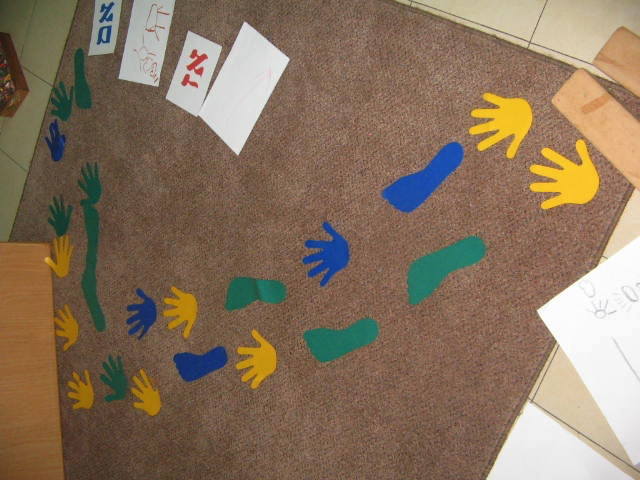
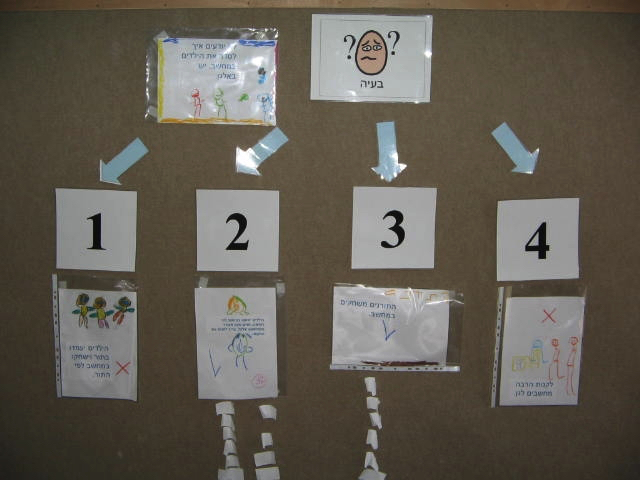
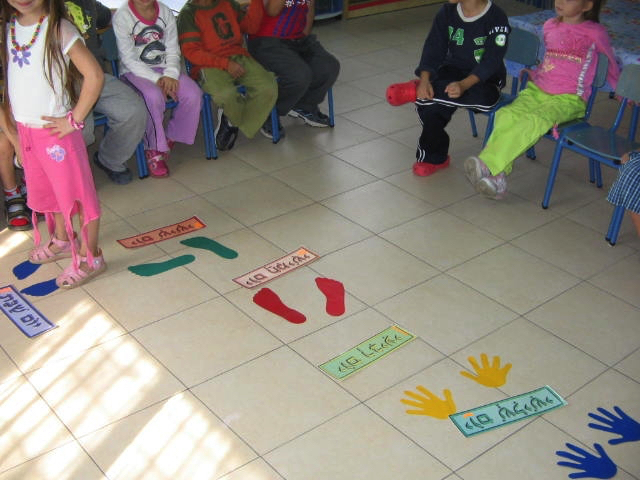
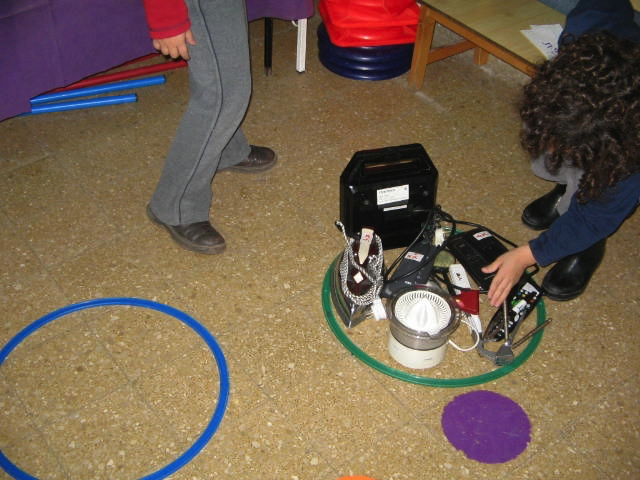
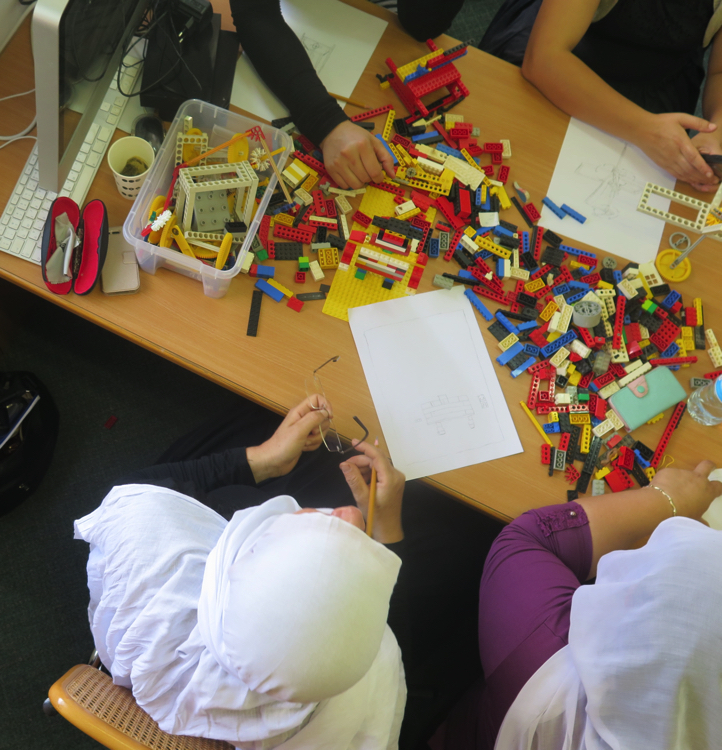
R&D project focusing on design and techological thinking in the kindergarten. A curricular model, based on research conducted over the years, is being implemented in kindergartens for about a decade. The rationale of the model is based on the encounter between Technology (as subject) and Learning, both taken in their broadest possible sense. The leading idea in it is is that mindful interaction with the designed world (the human-mind-made-world), and active involvement in designing objects for this world (material and symbolic), serve as an intellectual and practical platform for: (a) promoting young children's learning about contents, processes, and skills concerning the technologicl world sourrounding us; and (b) supporting their understanding of the nature of human thinking and learning involved in solving problems and designing solutions.
Learning processes are organized in seven main strands (Sn), running throughout the year in a developmentally-appropriate progression:
S1 - the designed/artificial world (products and their use/context);
S2 - problem solving (from haphazard to budding systematicity in planning and
implementing solutions);
S3 - design (from free-form building to designed/reflective construction);
S4 - notations (from conventional signs to computer programs);
S5 - smart artifacts (from analyzing their functioning and behaviors to the design
of simple robots’ adaptive behaviors);
S6 - special design for special needs (learning opportunities for children with
special needs);
S7 - the whole-kindergarten project.

KinderBot
with Dr. Gonen Rave, Dr. Asi Kuperman
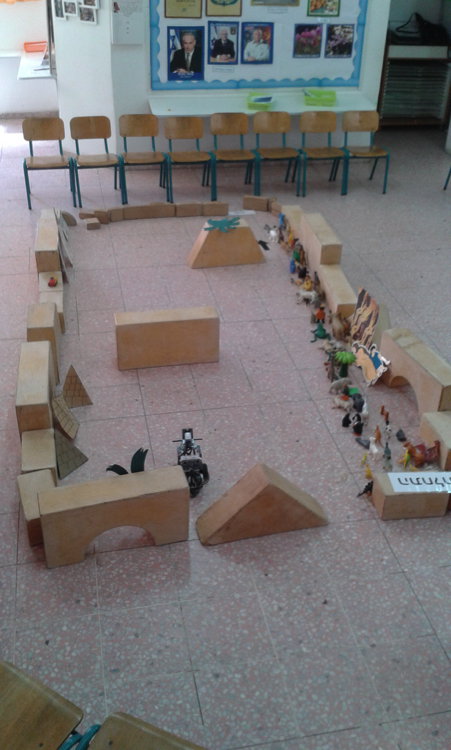
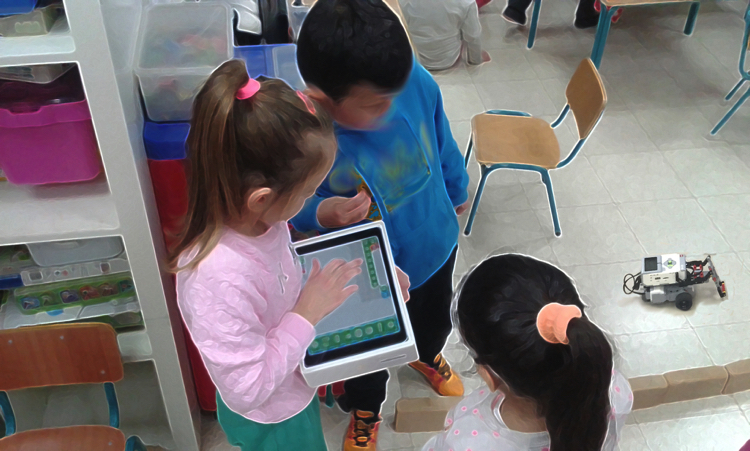
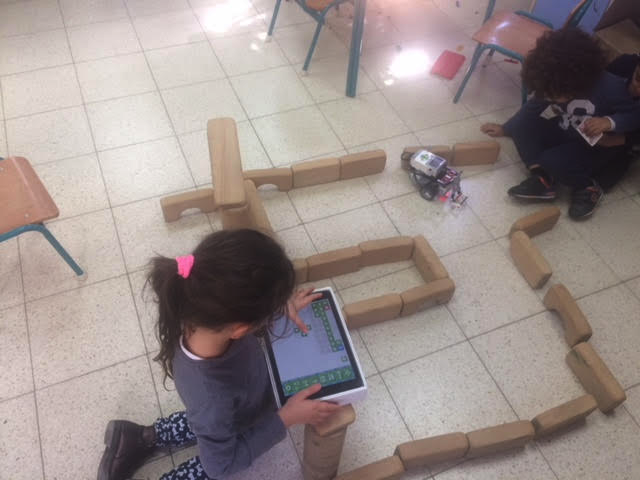
Constructing the behaviour of the adaptive systems (i.e. programming) is a challenging task for the young children. For our studies, we have developed an iconic programming environment for planning, constructing and controlling the behaviours of a robot made of Lego, a programmable brick and sensors. The environment comprises a series of modes allowing programming in levels of increasing complexity: from the creation of sequential programs (representing one-time events), via packaging sequences of instructions in routines (reusable scripts) to the definition of a-temporal and general rules using sensors’ data to generate actions in response to changing conditions.
Programming is based on the use of icons allowing intuitive and simple definition of commands without requiring writing or reading code. The mobile version allows children to navigate the space along with the robot. The web version with a virtual robot is under development.
Over the years, the environment served as instrument in numerous projects part of our research program. These aim at the close examination of young children's, e.g., perception of the structure and functioning of simple control systems; explanations of an autonomous robot adaptive behavior; usage of different control structures (episodes, scripts, rules) for programming robots' behaviors; perception of anthropomorphuc artifacts with adaptive behavior; Teory of Mind and Artificial Mind; learning through programming by children with special needs (see publications page).
Learning by Modelling Complexity
with Prof. Ruth Zuzovsky, Dr.Shelly Ben-Moshe Zarfati
Understanding complex systems has become a challenging intellectual endeavor for scientists and science students as well. The development of systemic approaches since the early years of the previous century opened ways of thinking-about and studying phenomena in the world, unveiling aspects, interrelationships and processes that were overlooked by traditional science.
Learning by Modeling (LbM), namely learning by manipulating and/or constructing models of systems under study, is a promising pedagogical approach that can support students' learning of complex systems and development of a systems worldview.
Among our R&D projects:
⚪
⚪
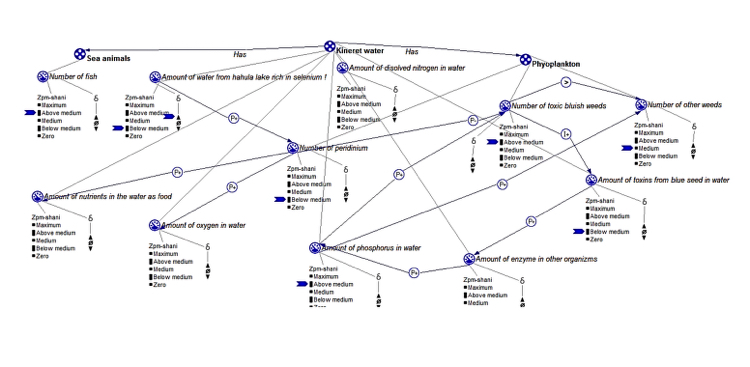
Student's Learning-by-Modelling [LbM] using a Qualitative Modelling environment, "DynaLearn". Qualitative Models are built by learners without the use of numerical or quantitative information. The models comprise a conceptual account of the structural and behavioural features of a system under study, and of the network of causal relationships underlying its behaviour. The main components of the DynaLearn Environment are Conceptual Modeling (CM), Semantic Technology (ST), and Virtual Characters (VC). (See eg., Bredeweg et al., 2013 in the publications page).
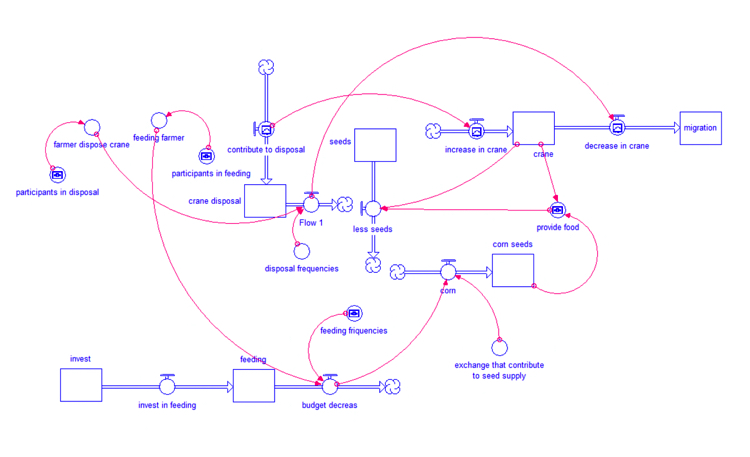
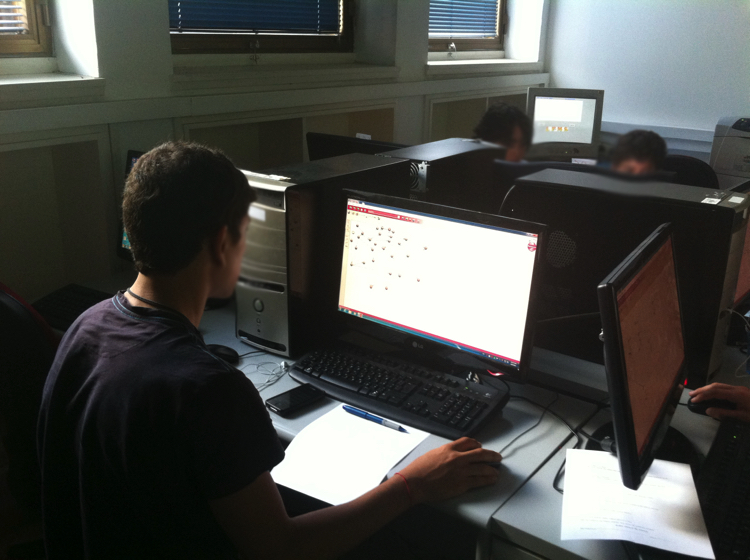
Systematic examination of the differential contribution of three unique approaches towards modelling (i.e., quantitative, qualitative and agent-based), to student conceptions and learning. Three software packages were used by the students for constructing the models in the different approaches: Stella (quantitative), DynaLearn (qualitative), NetLogo (agent-based). Data were collected in regards to three sets of variables, related to students' (a) development of a Systems Worldview, (b) acquisition of System Thinking skills, and (c) gradual construction of modeling strategies and skills.