Motor Function & Rehabilitation Lab · Prof. Sigal Portnoy

Technology-Driven
Rehabilitation
Engineering

We develop technology-driven solutions for motor and cognitive assessment, rehabilitation, and assistive care. Our work combines biomechanics, digital health, human-machine interaction, and rehabilitation engineering to address real-world clinical challenges.

TAU Health Professions

Occupational Therapy
Department

Research themes

Our work spans kinematics, muscle activity, balance, assistive technology design, and digital rehabilitation tools.

Kinematics

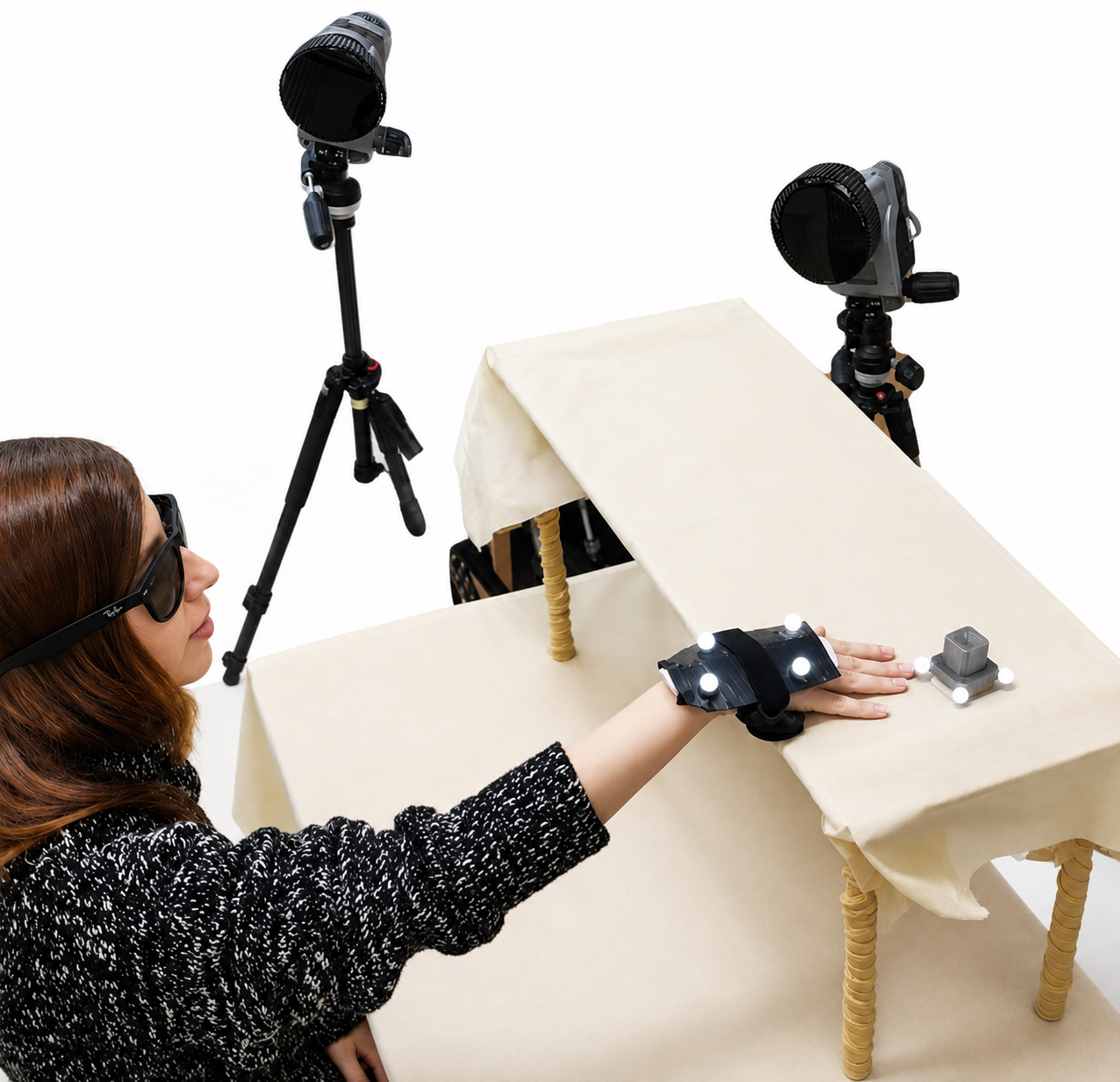
Applying motion analysis to investigate human biomechanics, the effects of misleading feedback on motor performance and learning, and the development of assistive technologies for individuals with visual impairments.

Muscle Activity

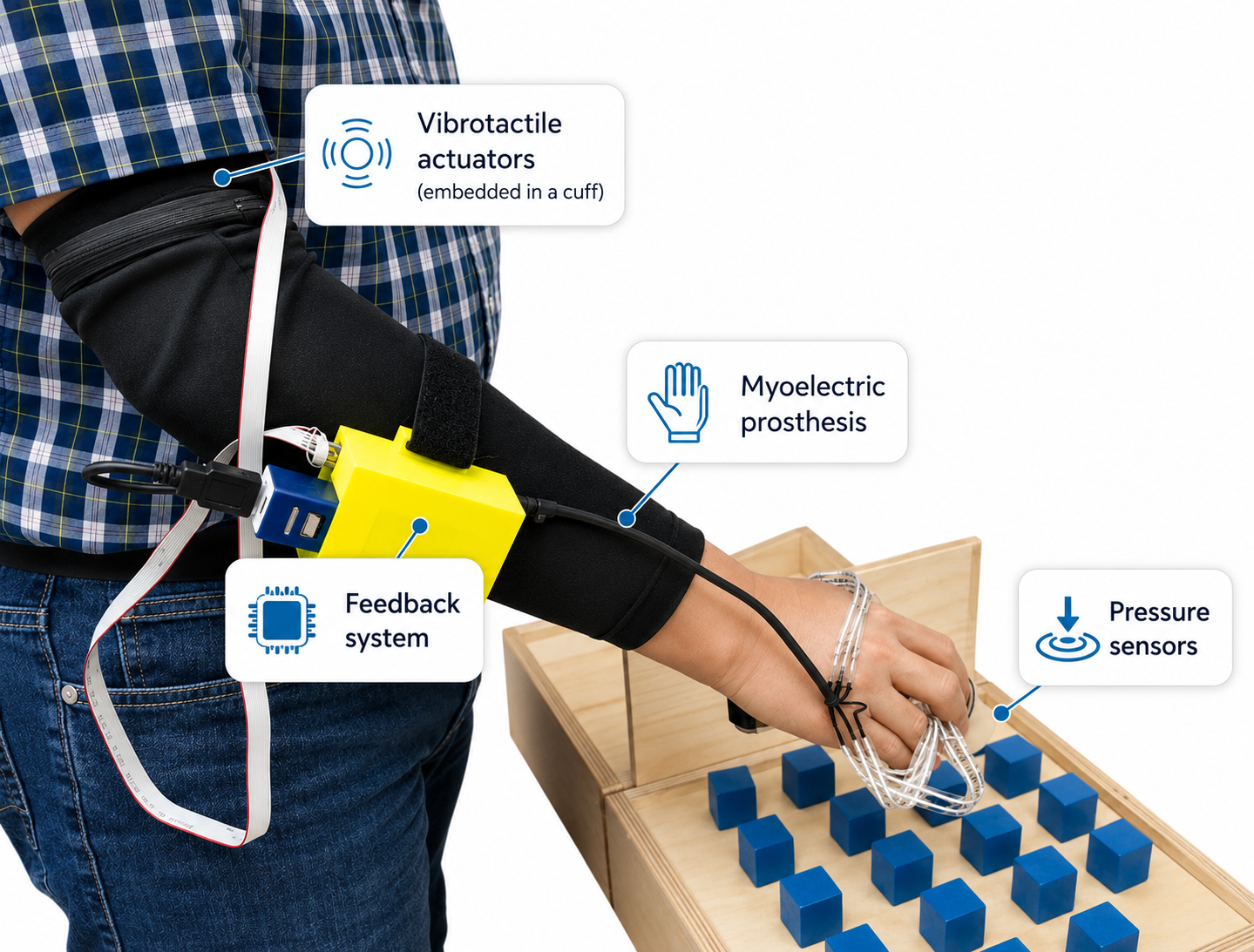
Recording and analyzing electromyographic signals to evaluate neuromuscular function, guide rehabilitation strategies, and enable the control of robotic and assistive systems through muscle-derived data.

Balance and Force Modulation

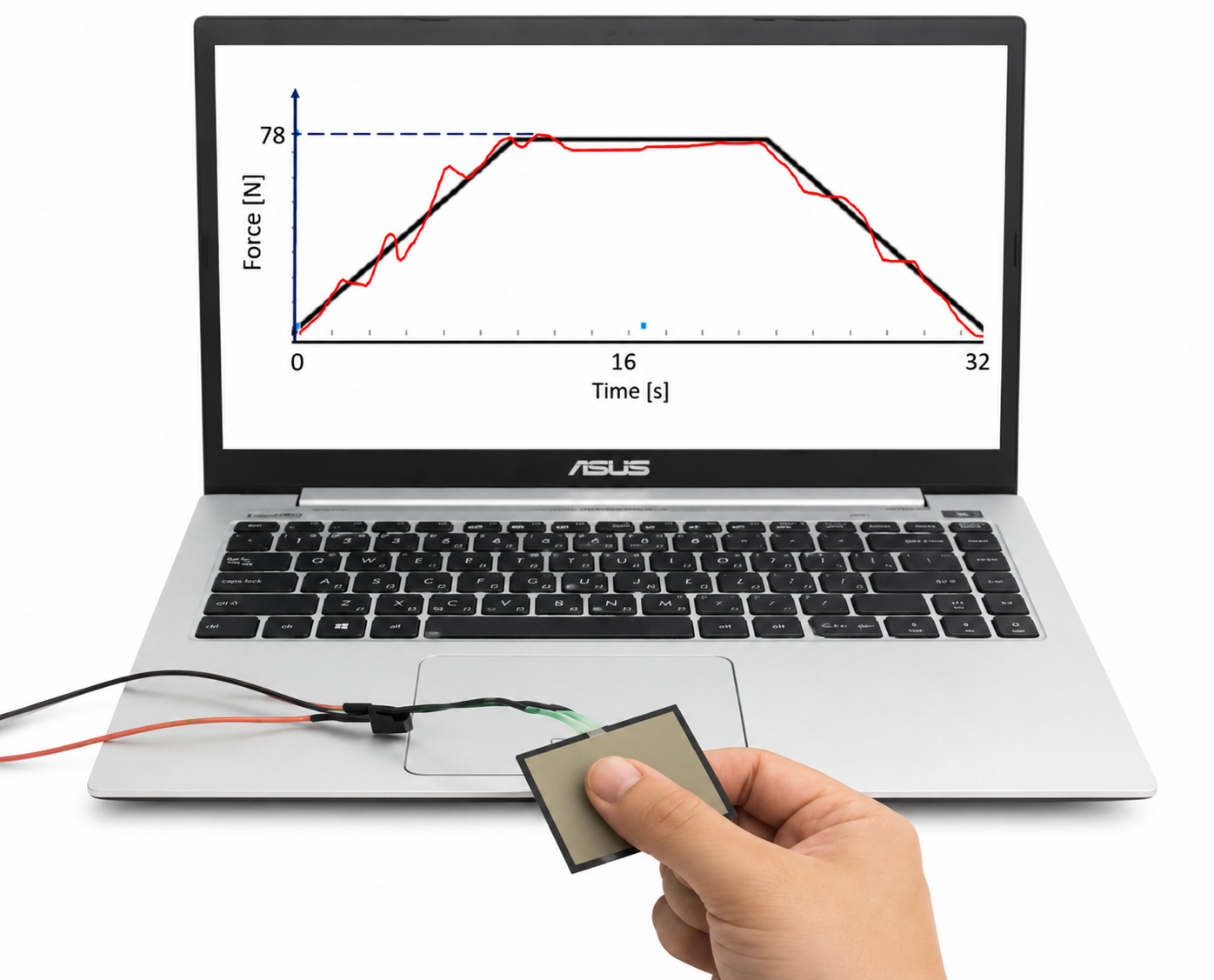
Investigating balance control as well as tactile and haptic feedback technologies for sensory augmentation, sensory threshold assessment, and human-machine interaction.

Splint and AT Design

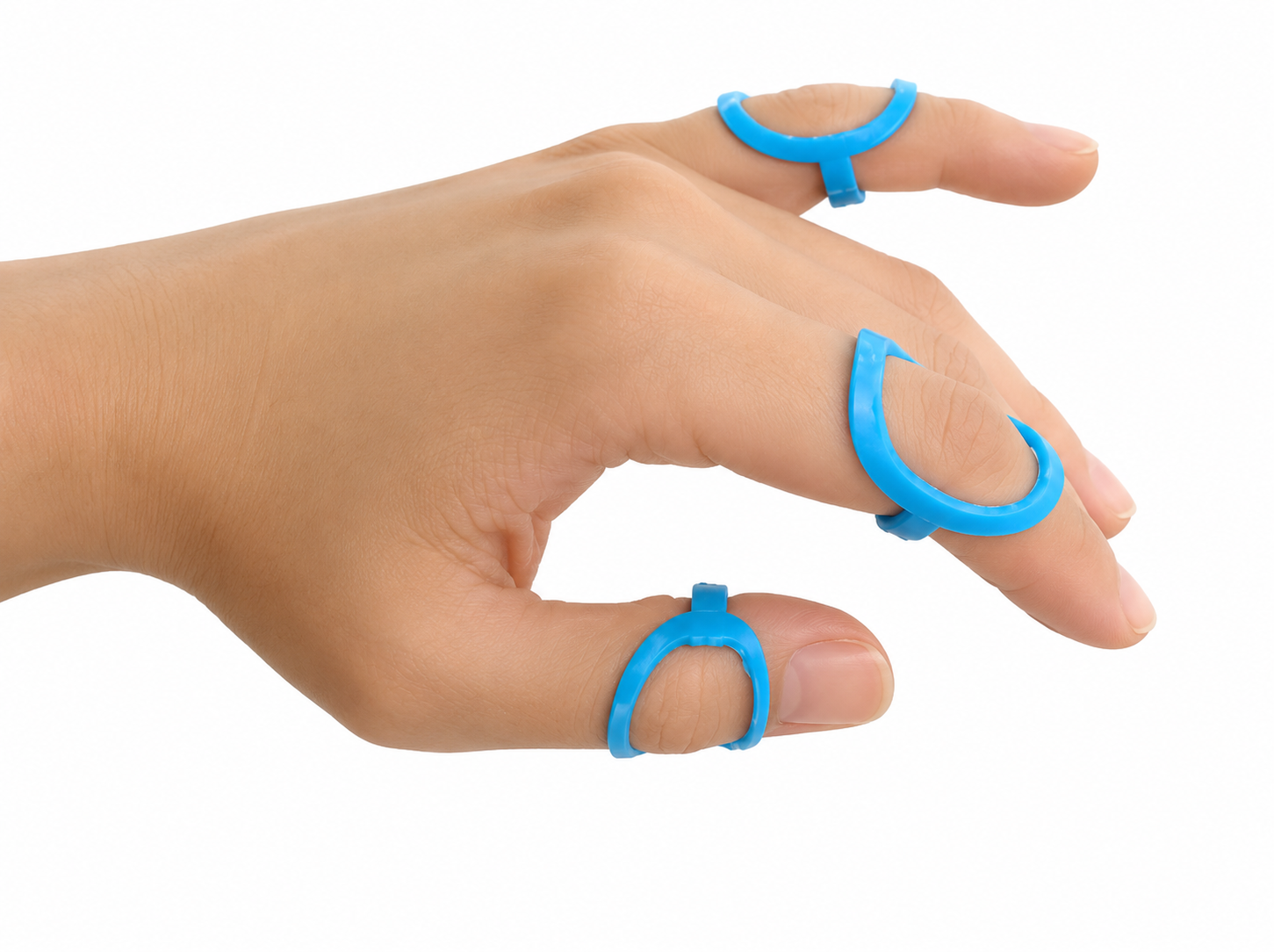
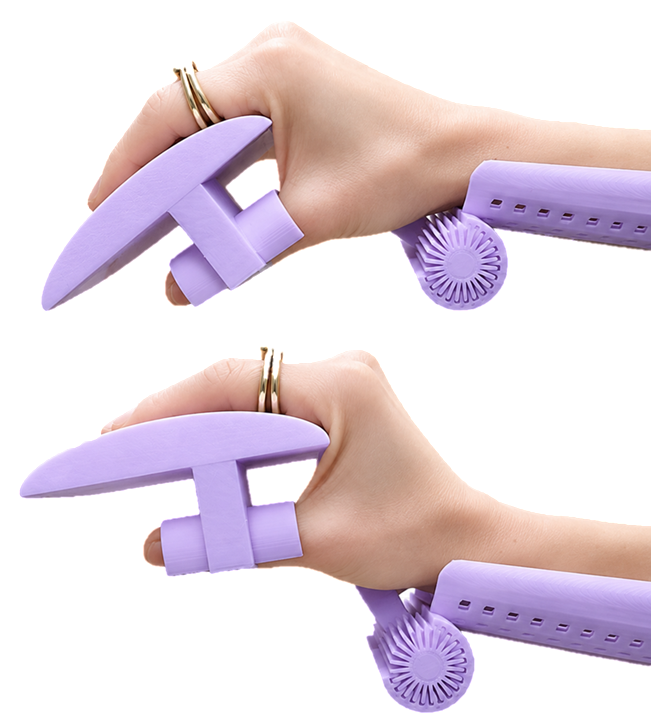
Designing assistive technologies, splints, and clinician-friendly software that translates patient measurements into personalized device models, making custom fabrication accessible to occupational therapists without specialized CAD expertise.

Splints and AT

App Design

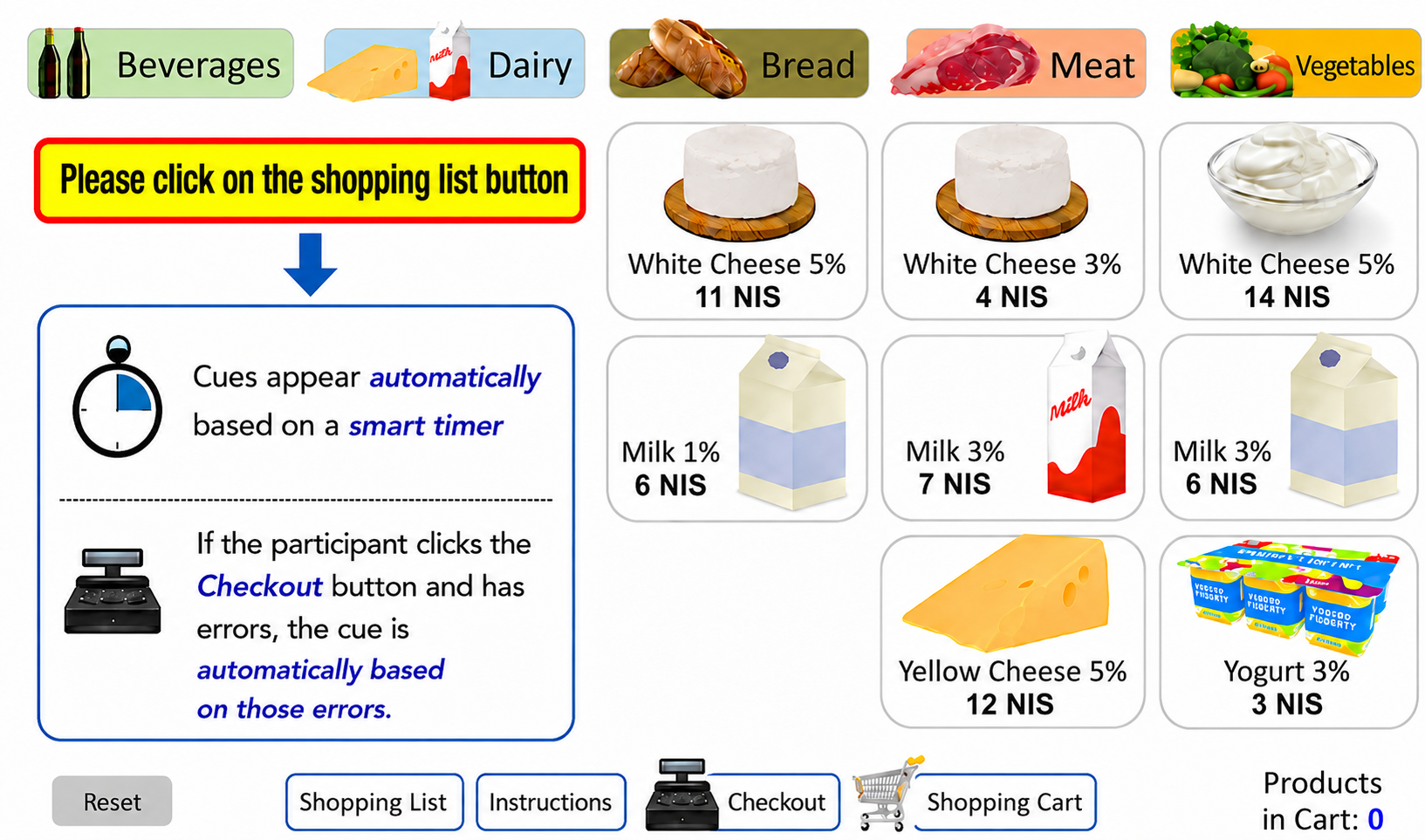
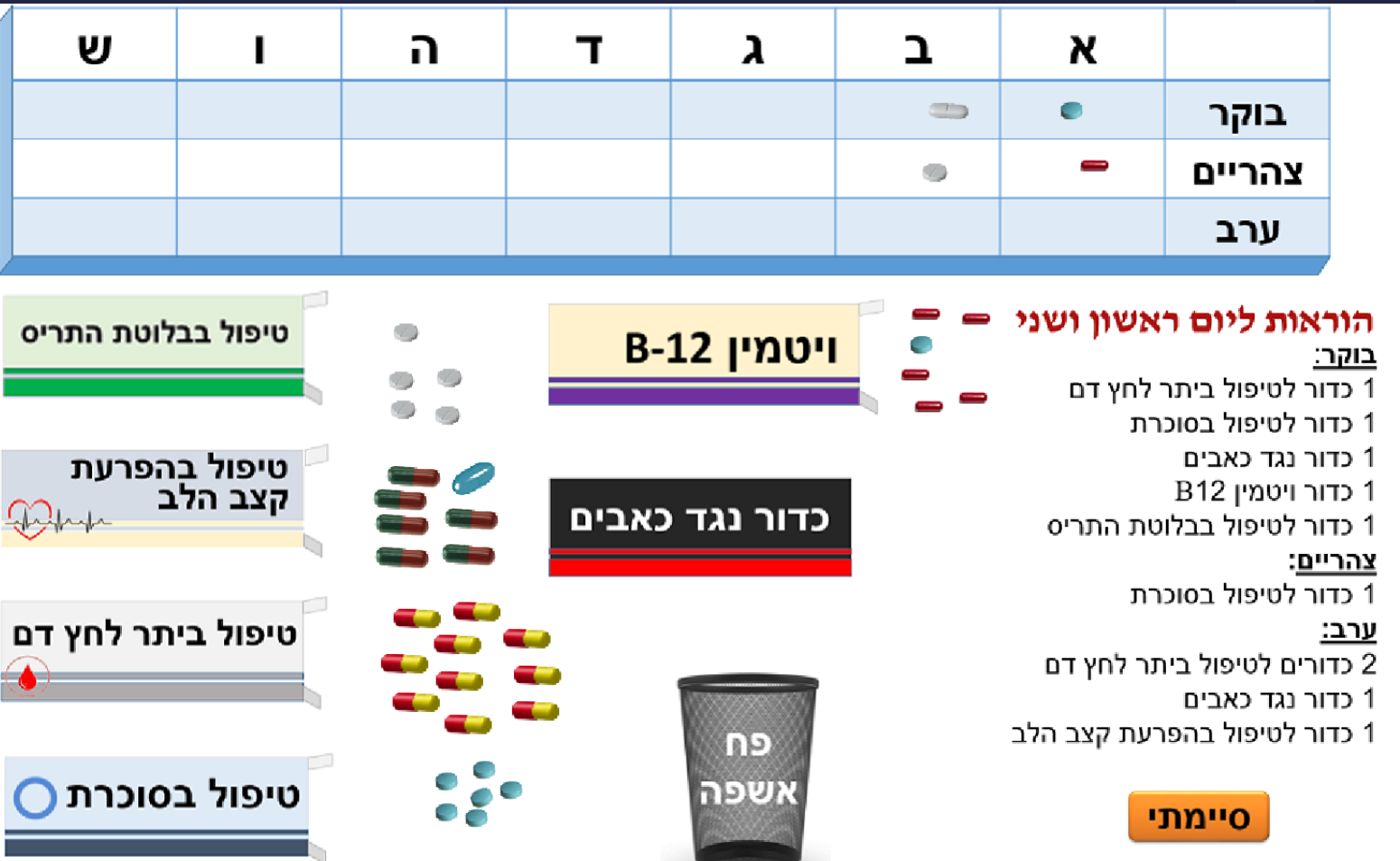
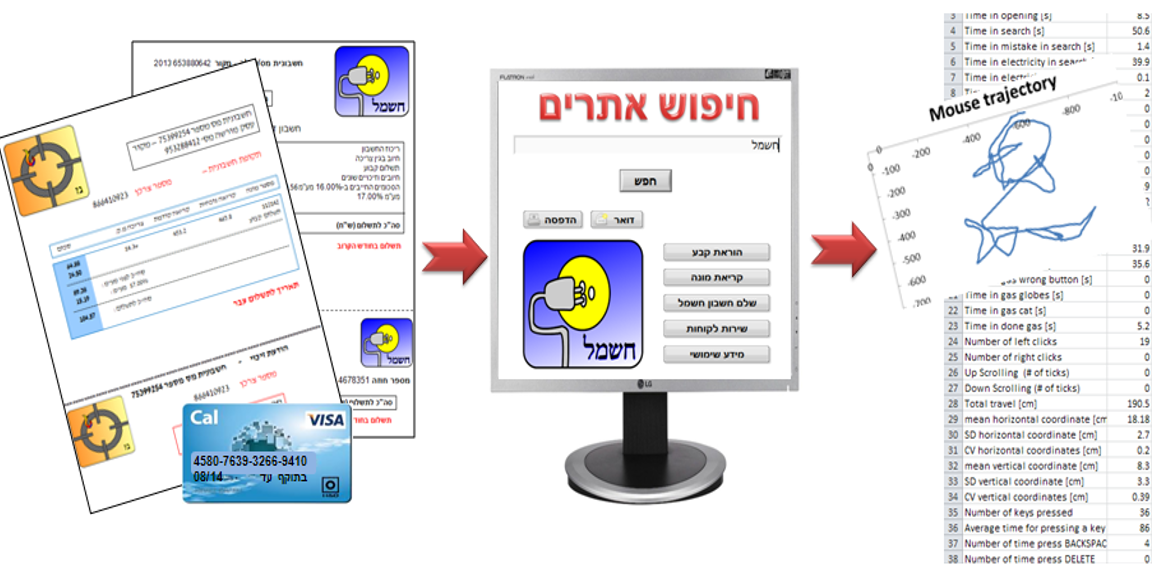
Designing accurate and accessible digital assessment tools that evaluate executive functions in real-world contexts, enabling participation by individuals with cognitive impairments.

Principal Investigator

Prof. Sigal Portnoy

Prof. Sigal Portnoy

Prof. Sigal Portnoy, PhD

Occupational Therapy Dept. (Room 326) · Gray Faculty of Medical and Health Sciences
Tel Aviv University · Ramat-Aviv, Tel-Aviv 69978, Israel

+972-3-6405441

Short Biography

Prof. Sigal Portnoy is an electronics engineer who completed her M.Sc. and Ph.D. in Biomedical Engineering at Tel Aviv University. In 2009, she established the Hadassah Gait and Motion Laboratory in Jerusalem and served as its Scientific Director until 2017. During this time, she led numerous research projects aimed at quantifying the effects of various treatment approaches and clinical procedures on movement patterns in patients with motor disabilities resulting from neurological and orthopedic impairments.

In October 2012, Prof. Portnoy joined the Department of Occupational Therapy at Tel Aviv University. Her research focuses on identifying and analyzing factors that influence motor and cognitive function in both healthy individuals and people with motor or cognitive disabilities. In addition, she develops innovative computerized tools for the assessment and rehabilitation of individuals with motor and cognitive impairments.

Prof. Portnoy served as Chair of the Department of Occupational Therapy from 2021 to 2025.

Publications

Journal Articles

  1. 1Palevski A., Glaich I., Portnoy S., Linder-Ganz E., Gefen A. Stress relaxation of porcine gluteus muscle subjected to sudden transverse deformation as related to pressure sore modeling. Journal of Biomechanical Engineering, 128: 782–787, 2006.
  2. 2Gefen A., Portnoy S., Diamant I. Inhomogeneity of tissue-level strain distributions in individual trabeculae: mathematical model studies of normal and osteoporosis cases. Medical Engineering & Physics, 30: 624–630, 2007.
  3. 3Portnoy S., Yarnitzky G., Yizhar Z., Kristal A., Oppenheim U., Siev-Ner I., Gefen A. Real-time patient-specific finite element analysis of internal stresses in the soft tissues of a residual limb: a new tool for prosthetic fitting. Annals of Biomedical Engineering, 35: 120–135, 2007.
  4. 4Portnoy S., Atlas E., Gefen A. Influence of bony prominence sharpness and underlying tissue stiffness on the susceptibility to pressure-related deep tissue injury. L'escarre, 36: 4–7, 2007.
  5. 5Portnoy S., Yizhar Z., Shabshin N., Itzchak Y., Kristal A., Dotan-Marom Y., Siev-Ner I., Gefen A. Internal mechanical conditions in the soft tissues of a residual limb of a trans-tibial amputee. Journal of Biomechanics, 41: 1897–1909, 2008.
  6. 6Portnoy S., Gefen A., Ohana A., Yizhar Z. A new system for monitoring gait training in infants with Down syndrome. Journal of Medical Devices, 3: 024501, 2009.
  7. 7Portnoy S., Siev-Ner I., Shabshin N., Kristal A., Yizhar Z., Gefen A. Patient-specific analyses of deep tissue loads post transtibial amputation in residual limbs of multiple prosthetic users. Journal of Biomechanics, 42: 2686–2693, 2009.
  8. 8Portnoy S., Siev-Ner I., Yizhar Z., Kristal A., Shabshin N., Gefen A. Surgical and morphological factors that affect internal mechanical loads in soft tissues of the transtibial residuum. Annals of Biomedical Engineering, 37: 2583–2605, 2009.
  9. 9Portnoy S., van Haare J., Geers RPJ., Kristal A., Siev-Ner I., Seelen HAM., Oomens CWJ., Gefen A. Real-time subject-specific analyses of dynamic internal tissue loads in the residual limb of transtibial amputees. Medical Engineering & Physics, 32: 312–323, 2010.
  10. 10Elsner JJ, Portnoy S, Guilak F, Shterling A, Linder-Ganz E. MRI-based characterization of bone anatomy in the human knee for size matching of a medial meniscal implant. Journal of Biomechanical Engineering, 132(10): 101008, 2010.
  11. 11Elsner JJ, Portnoy S, Zur G, Guilak F, Shterling A, Linder-Ganz E. Design of a free-floating polycarbonate-urethane meniscal implant using finite element modeling and experimental validation. Journal of Biomechanical Engineering, 132: 095001, 2010.
  12. 12Portnoy S., Siev-Ner I., Shabshin N., Gefen A. Effects of sitting postures on risks for deep tissue injury in the residuum of a transtibial prosthetic-user. Computer Methods in Biomechanics and Biomedical Engineering, 14: 1009–1019, 2011.
  13. 13Portnoy S, Vuillerme N, Payan Y, Gefen A. Clinically-oriented real-time monitoring of the individual's risk for deep tissue injury. Medical & Biological Engineering & Computing, 49(4): 473–483, 2011. 🏆 Nightingale Prize 2011
  14. 14Portnoy S, Kristal A, Gefen A, Siev-Ner I. Outdoor dynamic subject-specific evaluation of internal stresses in the residual limb. Gait & Posture, 35(1): 121–125, 2012.
  15. 15Portnoy S, Schwartz I. Gait Characteristics of Post-Poliomyelitis Patients: Standardization of Quantitative Data Report. Annals of Physical and Rehabilitation Medicine, 56(7–8): 527–541, 2013.
  16. 16Portnoy S, Rosenberg L, Alazraki T, Elyakim E, Friedman J. Differences in Muscle Activity Patterns, Visuomotor Abilities, and Graphical Product Quality in Children Drawing Activities on Horizontal or Vertical Surfaces. Journal of Electromyography and Kinesiology, 25(3): 540–547, 2015.
  17. 17Portnoy S, Halaby O, Dekel-Chen D, Dierick F. Effect of Auditory Feedback Substitution, Tactilo-Kinesthetic, or Visual Feedback on Kinematics of Pouring Water from Kettle into Cup. Applied Ergonomics, 51: 44–49, 2015.
  18. 18Simana E, Simian SR, Portnoy S, Jaffe A, Dekel BC. Feasibility Study – Vitamin D Loading Determination by FTIR-ATR. Information and Control Systems, 3: 107–111, 2015.
  19. 19Portnoy S, Frechtel A, Raveh E, Schwartz I. Prevention of Genu Recurvatum in Post Stroke Patients Using a New Orthosis. Physical Medicine and Rehabilitation, 7(10): 1042–1051, 2015.
  20. 20Rabin A, Portnoy S, Kozol Z. The Association Between Visual Assessment of Quality of Movement and Three-Dimensional Analysis of Pelvis, Hip, and Knee Kinematics During a Lateral Step Down Test. Journal of Strength and Conditioning Research, 30(11): 3204–3211, 2016.
  21. 21Rabin A, Portnoy S, Kozol Z. The Association of Ankle Dorsiflexion Range of Motion With Hip and Knee Kinematics During the Lateral Step Down Test. Journal of Orthopaedic and Sports Physical Therapy, 2016.
  22. 22Levanon Y, Gefen A, Lerman Y, Portnoy S, Ratzon NZ. Key Strike Forces and High Level of Musculoskeletal Symptoms. Safety and Health at Work, 7: 347–353, 2016.
  23. 23Rand D, Ben-Chaim K, Malka R, Portnoy S. Development of Internet-based Tasks for the Executive Function Performance Test. American Journal of Occupational Therapy, 72: 7202205060, 2018.
  24. 24Portnoy S, Reif S, Mendelboim T, Rand D. Comparing postural control of individuals with chronic stroke to healthy participants. European Journal of Physical Rehabilitation Medicine, 53(5): 685–693, 2017.
  25. 25Portnoy S, Hersch A, Sofer T, Tresser S. Comparison of reaction time and center of pressure movement between paired-play and solo-play of a virtual reality game. Games for Health Journal, 6(3), 2017.
  26. 26Raveh E, Friedman J, Portnoy S. Visuomotor behaviours and performance in a dual-task paradigm with and without vibrotactile feedback when using a myoelectric controlled hand. Assistive Technology, 2017.
  27. 27Dierick F, Dehas M, Isambert JL, Injeyan S, Bouché AF, Bleyenheuft Y, Portnoy S. Hemorrhagic versus ischemic stroke: blended conventional physiotherapy with robotic-assisted gait therapy. Plos One, 12(6): e0178636, 2017.
  28. 28Portnoy S, Mimouni-Bloch A, Rosenberg L, Offek H, Berman T, Kochavi M, Orman G, Friedman J. Graphical product quality and muscle activity in children with mild disabilities drawing on tablet. American Journal of Occupational Therapy, 72(6): 7206205040, 2017.
  29. 29Shoseyov D, Cohen-Kaufman T, Schwartz I, Portnoy S. Comparison of activity and fatigue of the respiratory muscles between post-polio patients and controls. Plos One, 12(7): e0182036, 2017.
  30. 30Kaufman-Cohen Y, Friedman J, Levanon Y, Yaacobi G, Doron N, Portnoy S. Wrist plane of motion and ranges during daily activities. American Journal of Occupational Therapy, 72: 7206205080, 2018.
  31. 31Raveh E, Portnoy S, Friedman J. Adding vibrotactile feedback to a myoelectric-controlled hand improves grasping performance when online visual feedback is disturbed. Human Movement Science, 58: 32–40, 2018.
  32. 32Raveh E, Friedman J, Portnoy S. Evaluation of the effects of adding vibrotactile feedback to myoelectric prosthesis users on performance and visual attention in a dual-task paradigm. Clinical Rehabilitation, 2018.
  33. 33Portnoy S, Maayan C, Tsenter J, Ofran Y, Goldman V, Hiller N, Karniel N, Schwartz I. Characteristics of atactic and crouch gait in familial dysautonomia patients. Plos One, 13(4): e0196599, 2018.
  34. 34Raveh E, Portnoy S, Friedman J. Myoelectric prosthesis users improve performance time and accuracy using vibrotactile feedback when visual feedback is disturbed. Archives of Physical Medicine and Rehabilitation, 2018.
  35. 35Kaufman-Cohen Y, Portnoy S, Sopher R, Mashiach L, Baruch-Halaf L, Ratzon NZ. Correlation between Upper Extremity Musculoskeletal Symptoms and Joint Kinematics during Playing among Piano Students. Plos One, 13(12): e0208788, 2018.
  36. 36Raveh E, Schwartz I, Karniel N, Portnoy S. Evaluation of the Effectiveness of a Novel Gait Trainer in Increasing the Functionality of Individuals with Motor Impairment. Assistive Technology, 31(2): 106–111, 2019.
  37. 37Karniel N, Raveh E, Schwartz I, Portnoy S. Functional Electrical Stimulation compared with Ankle-Foot Orthosis in Sub-Acute Post Stroke Patients with Foot drop. Assistive Technology, 2019.
  38. 38Ofran Y, Karniel N, Tsenter J, Schwartz I, Portnoy S. Functional Gait Measures Prediction by Spatiotemporal and Gait Symmetry in Individuals Post Stroke. Journal of Developmental and Physical Disability, 2019.
  39. 39Issachar G, Bar-Shalita T, Baruch Y, Horing B, Portnoy S. Design and Verification of a Novel Subject-Specific Neurofeedback Evaluation and Treatment System. Annals of Biomedical Engineering, 47(5): 1203–1211, 2019.
  40. 40Friedman J, Raveh E, Weiss T, Itkin S, Niv D, Hani M, Portnoy S. Method for Applying Incongruent Visual-Tactile Stimuli during Object Transfer with Vibro-Tactile Feedback. Journal of Visual Experiments, 147: e59493, 2019.
  41. 41Shahar N, Schwartz I, Portnoy S. Differences in Muscle Activity and Fatigue of the Upper Limb between Task-Specific Training and Robot Assisted Training Post Stroke. Journal of Biomechanics, 89: 28–33, 2019.
  42. 42Kaufman-Cohen Y, Portnoy S, Levanon Y, Friedman J. Does object height affect the dart throwing motion angle during seated activities of daily living. Journal of Motor Behavior, 2019.
  43. 43Portnoy S, Barmin N, Elimelech M, Assaly B, Oren S, Shanan R, Levanon Y. Automated 3D-printed finger orthosis versus manual orthosis preparation. Journal of Hand Therapy, 33(2): 174–179, 2020. Invited
  44. 44Wattad R, Gabis LV, Sheffer S, Tresser S, Portnoy S. Correlations between Performance in a Virtual Reality Game and the Movement Assessment Battery in Children with Developmental Coordination Disorder. Applied Sciences, 10(3): 833–840, 2020. Invited
  45. 45Kaufman-Cohen Y, Levanon Y, Friedman J, Yaniv Y, Portnoy S. Home exercise in the dart-throwing motion plane after distal radius fractures: A Pilot RCT. Journal of Hand Therapy, 2020.
  46. 46Gabis LV, Shefer S, Portnoy S. Variability of Coordination in Typically Developing Children Versus Children with Autism Spectrum Disorder. Sensors, 20: 2769–2778, 2020. Invited
  47. 47Elkarif V, Kandel L, Rand D, Schwartz I, Greenberg A, Portnoy S. Kinematics following gait perturbation in adults with knee osteoarthritis. Gait and Posture, 81: 144–152, 2020.
  48. 48Keinan A, Bar-Shalita T, Portnoy S. Instrumented assessment of a rhythmic finger task among children with motor coordination difficulties. Sensors, 20: 4554–4563, 2020. Invited
  49. 49Mayer N, Portnoy S, Palti R, Levanon Y. Efficacy of telerehabilitation for improving upper limb function after elbow fractures. Applied Sciences, 11(4): 1708–1717, 2021. Invited
  50. 50Elkarif V, Kandel L, Rand D, Schwartz I, Greenberg A, Portnoy S. Muscle activity while ambulating on stairs and slope in individuals with and without knee arthroplasty. Musculoskeletal Science and Practice, 52: 1–6, 2021.
  51. 51Mahpari V, Levanon Y, Kaufman-Cohen Y, Zilberman M, Portnoy S. Internal Mechanics of a Subject-Specific Wrist in Sagittal versus Dart Throwing Motion Plane. Applied Sciences, 11: 5275–5285, 2021. Invited
  52. 52Haimovich Y, Hershkovich O, Portnoy S, Schwartz I, Lotan R. Evaluating Lower Limb Kinematics Using Microsoft's Kinect. Physiotherapy Canada, 73(4): 391–400, 2021.
  53. 53Elkarif V, Kandel L, Rand D, Schwartz I, Greenberg A, Gurion R, Portnoy S. Comparison of kinematics following gait perturbation in individuals who did or did not undergo total knee replacement. Applied Sciences, 11(16): 7453–7464, 2021.
  54. 54Ofran Y, Schwartz I, Shabat S, Seyres M, Karniel N, Portnoy S. Falls in post-polio patients: prevalence and risk factors. Biology, 10: 1110–1118, 2021. Invited
  55. 55Portnoy S, Cohen S, Ratzon NZ. Correlations between body postures and musculoskeletal pain in guitar players. Plos One, 17(1): e0262207, 2021.
  56. 56Nadler Tzadok Y, Eliav R, Portnoy S, Rand D. Establishing validity of the internet-based bill-paying task to assess executive function deficits in adults with traumatic brain injury. American Journal of Occupational Therapy, 76(4): 1–10, 2022.
  57. 57Shabat S, Meiner Z, Tsenter J, Schwartz I, Portnoy S. Correlations between electro-diagnostic findings and rehabilitation outcomes among COVID-19 patients. Biology, 11(2): 277–287, 2022. Invited
  58. 58Schwartz I, Safran O, Karniel N, Abel M, Berko A, Seyres M, Tsoar T, Portnoy S. Positive effect of manipulated virtual kinematic intervention in individuals with traumatic stiff shoulder. Journal of Clinical Medicine, 11: 3919–3928, 2022. Invited
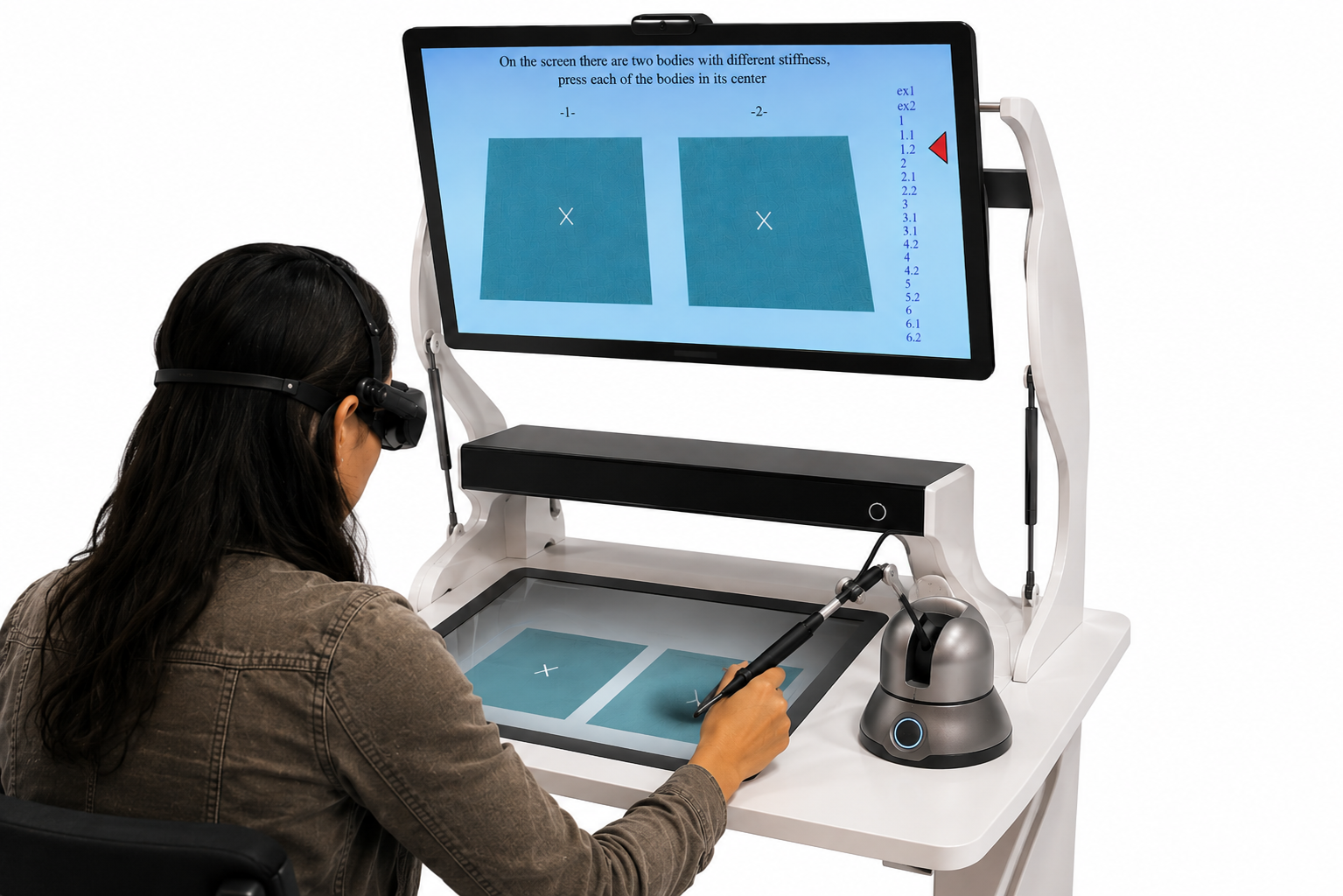
  59. 59Dahan H, Stern H, Bitan N, Bouzovkin A, Levanovsky M, Portnoy S. Construction of a haptic-based virtual reality evaluation of discrimination of stiffness and texture. Cogent Engineering, 9(1): 1–10, 2022.
  60. 60Schwartz I, Ofran Y, Karniel N, Seyers M, Portnoy S. Step length asymmetry may predict rehabilitation length in subacute post stroke patients. Symmetry, 14: 1995–2003, 2022.
  61. 61Abu-Ata A, Green D, Sopher R, Portnoy S, Ratzon NZ. Upper limb kinematics of handwriting among children with and without Developmental Coordination Disorder. Sensors, 22: 9224–9240, 2022. Invited
  62. 62Schwartz I, Ofran Y, Bernovsky S, Kandel L, Rivkin G, Karniel N, Seyres M, Portnoy S. Cushioned footwear effect on pain and gait characteristics of individuals with knee osteoarthritis. Sensors, 23: 1375–1385, 2023.
  63. 63Lugassy D, Khalaily M, Shely A, Levanon Y, Portnoy S, Brosh T. Turbine effect on dental students' lateral pinch modulation and performances. Occupational Medicine, 73(6), 2023.
  64. 64Karniel N, Shimon E, Gemer N, Zivion R, Portnoy S. Age-related cognitive bias in assessing lateral pinch modulation by occupational therapists. Sensors, 23(18): 7747–7758, 2023.
  65. 65Abu Rass S, Cohen O, Bareli E, Portnoy S. Comparing Performance and Preference of Visually-Impaired Individuals in Object Localization. Technologies, 11: 127–137, 2023.
  66. 66Hersch A, Serfaty C, Portnoy S. Chronotype Shifts and Cognitive Performance in Stroke Survivors: Impact of Occupational Therapy Treatment Timing on Rehabilitation Outcomes. American Journal of Occupational Therapy, 79(5), 2025.
  67. 67Abu Rass S., Avrech Bar M, Portnoy S. High-Tech vs. Low-Tech Simulations in OT Education: Impacts on Technophobia, Technological Problem-Solving, and Entrepreneurial Thinking. BMC Medical Education, 26: 196–206, 2026.
  68. 68Keidar Latar S, Portnoy S, Kremer A, Pashkov E, Yaron A, Kizony R. Accessibility Features in Executive Function Apps and User Performance Post-Stroke. Scientific Reports, 16: 6897–6912, 2026.
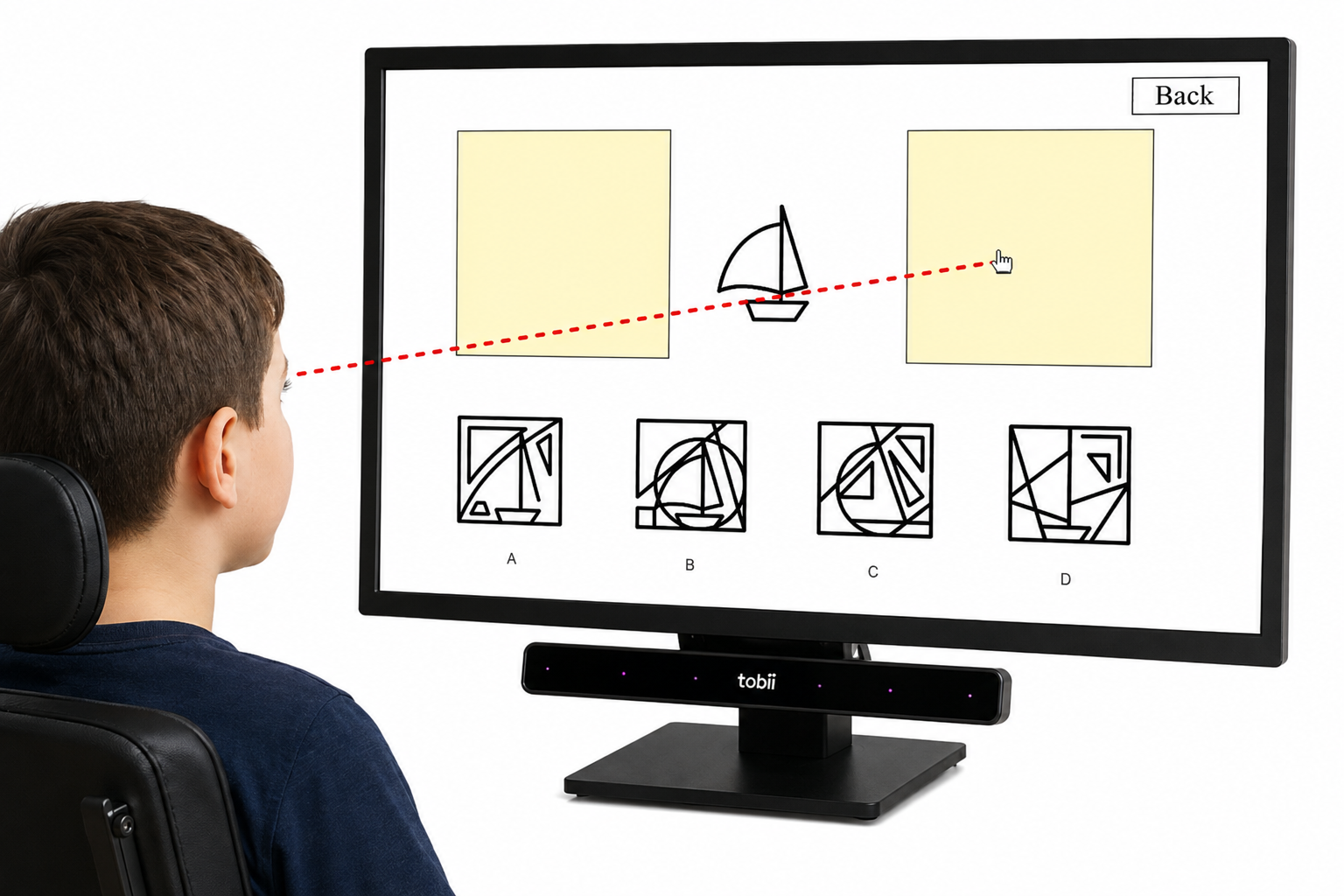
  69. 69Didovsky I, Portnoy S. Overcoming Motor and Speech Limitations in Visual Perception Assessment Using Eye Tracking in Cerebral Palsy. Digital Health, Accepted, 2026.
  70. 70Barak D, Bart O, Ashkenazi Hoffnung L, Berant R*, and Portnoy S* Integrating Ultrasound Biomechanics and Clinical Assessments to Examine Breastfeeding Function: Novel Insights into Tongue Mobility, Milk Transfer, and Reflux Symptoms. International Breastfeeding Journal, Accepted, 2026.

Chapters in Books

  1. B1Portnoy S, Shabshin N, Siev-Ner I, Kristal A, Gefen A. MRI integrated with computational methods for determining internal soft tissue loads as related to chronic wounds. Bioengineering Research of Chronic Wounds, 2009. Book chapter
  2. B2Portnoy S, Siev-Ner I, Yizhar Z, Shabshin N, Seelen H, Oomens C, Gefen A. Course of soft tissue injuries in the transtibial amputation residuum. The Pathomechanics of Tissue Injury and Disease, and the Mechanophysiology of Healing, 2009. Book chapter
  3. B3Portnoy S, Gefen A. Patient-specific modeling of subjects with a lower limb amputation. Patient-Specific Modeling in Tomorrow's Medicine, 2011. Book chapter

Current Team

Postdoc
PhD Students
Master Students
Undergraduate Students

Alumni

PhD Alumni
  • Dr. Eitan RavehCo-supervised with Dr. Jason Friedman
  • Dr. Yael Kaufman-CohenCo-supervised with Dr. Jason Friedman
  • Dr. Vicktoria ElkarifCo-supervised with Prof. Debbie Rand
Master Alumni
  • Keren Ben-HaimCo-supervised with Dr. Debbie Rand
  • Yael Dotan-MaromCo-supervised with Dr. Itzhak Siev-Ner
  • Rasha Wattad
  • Gil IssacharCo-supervised with Dr. Tami Bar-Shalita and Prof. Amit Gefen
  • Naama Karniel
  • Shlomit CohenCo-supervised with Prof. Navah Ratson
  • Naomi MayerCo-supervised with Dr. Yafi Levanon
  • Vered MahpariCo-supervised with Prof. Meital Zilberman
  • Tali Kaufman
  • Artal KeinanCo-supervised with Dr. Tami Bar-Shalita
  • Shlomit ReifCo-supervised with Dr. Debbie Rand
  • Neta Shahar
  • Inbar Mor
  • Tal Shahaf
  • Rasha Gheith
  • Inbar Didovsky
  • Linor KennetCo-supervised with Dr. Yafi Levanon
  • Ayelet Hersch
  • Diklah Barak
  • Liat LeviCo-supervised with Dr. Yafi Levanon
  • Adi Yaron
  • Abeer Rass
  • Nagham Igbareye
Undergraduate Engineering Project Students
  • Barr Morgenstein & Mor NachfolgerCo-supervised with Dr. Tami Bar-Shalita
  • Maya Levanovski & Anna Bouzovkin
  • Nina Barmin & Maayan Elimelech
  • Noa Efrat & Hilla Scher
  • Omer Ben Barak & Liroz Solomonov
  • Efrat Gabay & Or Weinstein
  • Meitar Dor & Gabriel Rashkowski
  • Or Mayo
  • Reut Gazit & Inbar Hillel
  • Shir Ardi & Nimrod Tchetchik
  • Maxim Telem
  • Omer Cohen & Eliav Bareli
  • Lior Zaguri & Yael Marilio